

When it comes to the world of packaging and containers, cup covers play a crucial role in maintaining the integrity of the contents within. As a dedicated cup cover supplier, I've spent a significant amount of time exploring the various aspects of cup covers, including one of the most frequently asked questions: What is the thickness of a typical cup cover?
Factors Influencing Cup Cover Thickness
The thickness of a cup cover is not a one - size - fits - all specification. It is influenced by a multitude of factors that are carefully considered to ensure the cover meets the specific needs of the application.
Material Type
The material used to manufacture the cup cover is a primary determinant of its thickness. Common materials include plastic, paper, and aluminum foil.
Plastic cup covers are perhaps the most widely used. Polypropylene (PP) and polystyrene (PS) are two popular choices. PP cup covers are known for their flexibility and durability. They can range in thickness from 0.1mm to 0.5mm. Thinner PP covers around 0.1 - 0.2mm are often used for disposable coffee cups, where cost - effectiveness and lightweight design are priorities. On the other hand, thicker PP covers, approaching 0.5mm, are used for more heavy - duty applications, such as covering large food containers that need to withstand some pressure during handling.
Polystyrene cup covers are typically more rigid. They usually have a thickness in the range of 0.2mm to 0.6mm. Thinner PS covers are used for small, single - serving cups, while thicker ones are employed for larger containers that require better structural support.
Paper cup covers are environmentally friendly alternatives. They are generally made from coated paperboard. The thickness of paper cup covers can vary from 0.2mm to 1.0mm. Thinner paper covers, around 0.2 - 0.4mm, are used for hot beverage cups, as they need to be lightweight and still provide some insulation. Thicker paper covers, up to 1.0mm, are used for cold beverage cups or food containers, where they can better resist moisture and maintain their shape.
Aluminum foil cup covers are often used for food products that need to be sealed tightly and protected from light and oxygen. The thickness of aluminum foil cup covers typically ranges from 0.01mm to 0.1mm. Thinner foils, around 0.01 - 0.03mm, are used for single - use applications, while thicker foils, up to 0.1mm, are used for more high - end or long - shelf - life products.
Cup Size and Shape
The size and shape of the cup also impact the thickness of the cover. Larger cups generally require thicker covers to ensure a proper fit and sufficient strength. For example, a small espresso cup may have a relatively thin cover, perhaps around 0.1 - 0.2mm if it's made of plastic. In contrast, a large 32 - ounce smoothie cup may need a plastic cover that is 0.3 - 0.5mm thick to provide a secure seal and prevent spillage.
Cups with irregular shapes, such as those with fluted sides or unique contours, may also need thicker covers. The extra thickness helps the cover conform to the shape of the cup and maintain a tight seal.
Product Contents
The nature of the product inside the cup is another important factor. If the cup contains a hot beverage, the cover needs to be thick enough to provide some insulation and prevent heat transfer to the user's hand. A paper cover for a hot coffee cup might be around 0.3 - 0.5mm thick for this reason.
For cups containing carbonated beverages, the cover must be thick enough to withstand the internal pressure. Plastic covers for carbonated drinks are often in the range of 0.2 - 0.4mm to prevent the beverage from bursting out.
Food products, especially those with high moisture content, require covers that can resist moisture and prevent leakage. A plastic or paper cover for a container of yogurt or soup may be 0.3 - 0.6mm thick to ensure the product remains fresh and contained.
Industry Standards and Typical Thickness Ranges
In the industry, there are some general standards and typical thickness ranges for different types of cup covers.
For disposable plastic cup covers used in the food service industry, a common thickness is around 0.2 - 0.3mm. These covers are suitable for a wide range of hot and cold beverages, as well as small food items. They offer a good balance between cost, strength, and functionality.
Reusable plastic cup covers, such as those used for water bottles or travel mugs, are usually thicker, ranging from 0.4 - 0.6mm. The extra thickness provides durability and ensures a long - lasting seal, which is important for repeated use.
Paper cup covers for coffee shops typically have a thickness of 0.3 - 0.5mm. This thickness provides enough insulation for hot coffee and also allows for easy tearing or peeling when opening the cup.
Our Offerings as a Cup Cover Supplier
As a cup cover supplier, we understand the importance of providing the right thickness for different applications. We offer a wide range of cup covers in various materials, sizes, and thicknesses to meet the diverse needs of our customers.
Our plastic cup covers are available in thicknesses from 0.1mm to 0.6mm, allowing customers to choose the appropriate thickness based on their specific requirements. Whether it's for a small take - away coffee cup or a large food storage container, we have the right solution.
Our paper cup covers range from 0.2mm to 1.0mm. We use high - quality coated paperboard to ensure good insulation and moisture resistance. These covers are perfect for both hot and cold beverages, as well as food products.
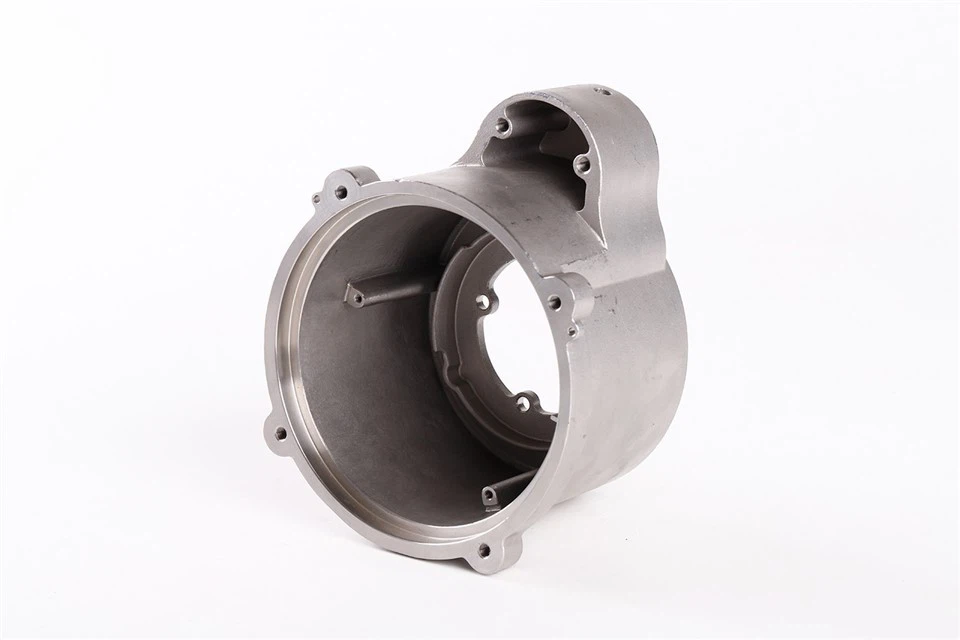

We also offer aluminum foil cup covers with thicknesses from 0.01mm to 0.1mm. These covers are ideal for products that need to be protected from light, oxygen, and moisture.
In addition to standard thicknesses, we also offer custom - made cup covers. If you have a unique application that requires a specific thickness or material, our team of experts can work with you to develop a solution that meets your exact needs.
Related Products and Their Applications
In our product portfolio, we also have other related products that can complement our cup covers. For example, we offer List Box which can be used for storing and organizing cup covers or other small items. The list box is made of high - quality materials and is designed to be durable and easy to use.
Our Pipe Body products can be used in the manufacturing process of cup covers or other packaging items. They are precision - cast to ensure high quality and performance.
The Ultrasonic Water Case is another useful product in our range. It can be used for cleaning cup covers or other small components, ensuring they are free from dirt and contaminants before use.
Conclusion
The thickness of a typical cup cover is a complex topic that depends on multiple factors, including material type, cup size and shape, and product contents. As a cup cover supplier, we are committed to providing high - quality cup covers in a variety of thicknesses to meet the needs of our customers. Whether you are a coffee shop owner, a food manufacturer, or a consumer looking for reusable cup covers, we have the right solution for you.
If you are interested in our cup covers or any of our related products, we invite you to contact us for a procurement discussion. We look forward to working with you to find the perfect packaging solutions for your business.
References
- Packaging Machinery Manufacturers Institute (PMMI). Handbook of Packaging Machinery.
- American Society for Testing and Materials (ASTM). Standards for Packaging Materials.
- Industry reports on the global cup cover market.