

Hey there, DIY enthusiasts! If you're like me, you love getting your hands dirty with all sorts of DIY projects. Whether it's building a custom bookshelf, fixing up an old bike, or even working on some high - tech gadgets, having the right hardware is crucial. And today, I want to talk about one of those often - overlooked but super important pieces of hardware: lock nuts. As a lock nut supplier, I've seen firsthand how the right lock nut can make or break a project.
Let's start by understanding what lock nuts are. Simply put, lock nuts are nuts that are designed to resist loosening from vibrations or rotation. Unlike regular nuts that can come undone over time due to movement, lock nuts stay put, providing a more secure connection. This is especially important in DIY projects where safety and stability are key.
Types of Lock Nuts for DIY Projects
Nylon Insert Lock Nuts
These are probably the most common type of lock nuts you'll come across. They have a nylon insert near the top of the nut. When you screw the nut onto a bolt, the nylon insert creates friction against the threads of the bolt. This friction helps to keep the nut from vibrating loose.
I've used nylon insert lock nuts in many DIY furniture projects. For example, when building a wooden chair, I used them to secure the metal brackets to the wooden frame. The nylon insert ensures that the nuts stay tight, even if the chair gets a lot of use and movement.
One great thing about nylon insert lock nuts is that they're reusable. As long as the nylon insert isn't damaged, you can unscrew and re - use the nut multiple times. And they're relatively inexpensive, making them a great choice for budget - friendly DIY projects. You can find them in a variety of sizes to fit different bolts, so you're likely to find the right one for your project. Check out our Lock Nut page to see the different sizes we offer.
Prevailing Torque Lock Nuts
Prevailing torque lock nuts work by having a deformed section at the top of the nut. When you install the nut on a bolt, this deformed section has to be forced back into shape, creating a high - friction connection. This high friction resists loosening.
I once used prevailing torque lock nuts in a DIY engine repair project. The engine has a lot of vibrations, and regular nuts would have come loose quickly. These lock nuts held up well, even under the high - stress conditions of the engine.
One thing to note about prevailing torque lock nuts is that they can be a bit more difficult to install compared to nylon insert lock nuts. You need to use a bit more force to get them onto the bolt. But once they're on, they provide a very reliable connection.
Jam Nuts
Jam nuts are a simple but effective type of lock nut. They're basically two nuts used together. You first tighten the main nut onto the bolt, and then you tighten a second, thinner nut (the jam nut) against the first one. The jam nut creates a counter - force that helps to prevent the main nut from loosening.
I've used jam nuts in a DIY plumbing project. When installing a Small Three - way Valve Body, I used jam nuts to secure the pipes to the valve. They were easy to install and provided a secure connection, preventing any leaks.
Jam nuts are a great option if you're looking for a low - cost and easy - to - use locking solution. They're also very versatile and can be used in a wide range of projects.
Choosing the Right Lock Nut for Your Project
Now that you know about the different types of lock nuts, how do you choose the right one for your DIY project? Here are some factors to consider:
Vibration Level
If your project is going to be exposed to a lot of vibrations, like a machine or a vehicle part, you'll want to choose a lock nut that can handle those vibrations. Nylon insert lock nuts and prevailing torque lock nuts are great choices for high - vibration environments.
Temperature
Some lock nuts are better suited for high - temperature environments than others. For example, nylon insert lock nuts have a limited temperature range because the nylon can melt at high temperatures. If your project involves high temperatures, you might want to consider a metal - only lock nut, like a prevailing torque lock nut.
Reusability
If you think you might need to remove and re - use the lock nut in the future, nylon insert lock nuts are a good option because they're reusable as long as the nylon insert isn't damaged. Jam nuts are also reusable, and you can easily adjust the tightness if needed.
Cost
Cost is always a factor in DIY projects. Nylon insert lock nuts and jam nuts are generally more affordable than prevailing torque lock nuts. If you're on a tight budget, these might be the better choices for you.
Where to Use Lock Nuts in DIY Projects
Furniture Building
As I mentioned earlier, lock nuts are great for securing metal brackets and joints in furniture. They ensure that the furniture stays stable and doesn't come apart over time. Whether you're building a simple bookshelf or a complex dining table, lock nuts can make a big difference in the quality of your finished product.
Automotive and Bike Repairs
In automotive and bike repairs, lock nuts are essential for keeping parts secure. From securing the wheels to the axles to tightening the bolts on the engine, lock nuts prevent parts from coming loose due to the vibrations and movement of the vehicle.
Electronics and Gadgets
Even in electronics and gadget DIY projects, lock nuts can be useful. For example, when building a custom computer case or a small electronic device, lock nuts can be used to secure the components in place. They help to prevent any rattling or movement that could damage the delicate electronics.
Plumbing
In plumbing projects, lock nuts are used to secure pipes and fittings. They prevent leaks by ensuring that the connections are tight and secure. Whether you're installing a new sink or fixing a leaky pipe, lock nuts are a must - have.
Our Lock Nut Offerings
As a lock nut supplier, we offer a wide range of lock nuts to meet the needs of all your DIY projects. We have nylon insert lock nuts in various sizes, from small ones for delicate electronics to large ones for heavy - duty furniture. Our prevailing torque lock nuts are made from high - quality materials to ensure a reliable connection, even in high - stress environments. And our jam nuts are perfect for those quick and easy DIY fixes.
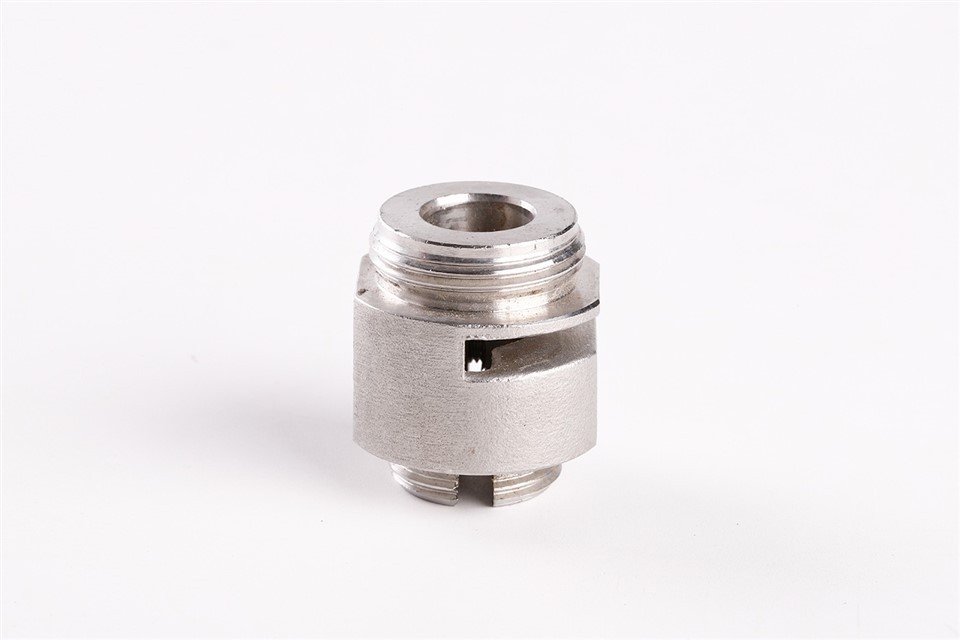

We also offer Housing and other hardware accessories that can complement your lock nut usage. Whether you need a housing for your electronic project or a bracket to go with your furniture, we've got you covered.
Conclusion
Lock nuts are an essential part of any DIY project. They provide a secure connection that can withstand vibrations, movement, and other stresses. By choosing the right type of lock nut for your project based on factors like vibration level, temperature, reusability, and cost, you can ensure the success and longevity of your DIY creation.
If you're interested in purchasing lock nuts or other hardware accessories for your DIY projects, feel free to reach out. We're here to help you find the right products for your needs. Whether you're a seasoned DIY pro or just starting out, we've got the lock nuts to make your project a success.
References
- "Fasteners Handbook" - A comprehensive guide to different types of fasteners, including lock nuts.
- DIY magazines and online forums where DIY enthusiasts share their experiences with using lock nuts in various projects.