


Product Name: 0185 impeller
Texture of material: A890 3A
Weight: 1.9kg
Fluid Machinery Parts
Hengxin:Your Professional Fluid Machinery Parts Manufacturer!
Zaozhuang Hengxin Precision Machinery Co., Ltd. is a wholly-owned enterprise integrating research and development, precision casting, and mechanical processing. The company currently covers an area of 30 acres and has more than 70 employees, including 15 technical personnel. It can produce 1000 tons of precision castings annually.
-
![Impeller 2]()
-
![Cup Cover]()
-
![Pipe Body]()
-
![Impeller 1]()
-
![Cup Series]()
-
![List Box]()
-
![Ultrasonic Tube Segment Series]() Ultrasonic Tube Segment SeriesProduct Name: Ultrasonic Tube Segment Seriesread more
Ultrasonic Tube Segment SeriesProduct Name: Ultrasonic Tube Segment Seriesread more
Texture of material: 304
Weight: 5-10kg -
![Ultrasonic Water Case]() Ultrasonic Water CaseProduct Name: Ultrasonic water caseread more
Ultrasonic Water CaseProduct Name: Ultrasonic water caseread more
Texture of material: 304
Weight: 2kg -
![Sensor Clamp]() Sensor ClampProduct Name: Silicon differential pressure sensor clampread more
Sensor ClampProduct Name: Silicon differential pressure sensor clampread more
Texture of material: 304/306
Weight: 0.65kg -
![Valve Cover With Tube]() Valve Cover With TubeProduct Name: Valve cover with tuberead more
Valve Cover With TubeProduct Name: Valve cover with tuberead more
Texture of material: CF8M
Weight: 1.1kg -
![Desalination Water Pipe]() Desalination Water PipeProduct Name: Desalination water pipe (small)read more
Desalination Water PipeProduct Name: Desalination water pipe (small)read more
Texture of material: 1.4462
Weight: 20kg


Why Choose Us
Advanced equipment
Zaozhuang Hengxin Precision Machinery Co., Ltd. uses a complete set of precision casting equipment and applies silica sol technology to produce castings such as stainless steel, heat-resistant steel, carbon steel, alloy steel, etc. The weight of castings can reach 0.01-90Kg.
Product application
Our company produces a wide range of products, which can be applied to fields such as pumps and valves, impellers, power equipment, automotive parts, agricultural machinery, railway equipment, mining machinery, flow casings, engineering machinery, petroleum machinery, etc.
Our certification
Hengxin Company has successively passed ISO9001-2015 quality system certification, German TUV PED4.3/AD2000 quality system certification.
Sales market
Most of our products are exported to countries such as the United States, the Netherlands, Germany, the United Kingdom, Spain, Japan, and South Korea.
Types of Fluid Machinery Parts
The fluid machinery parts produced by our company mainly include the following types:
Impeller 1
Closed impellers are the most common choice in clean fluid applications. They feature enclosed vanes between two shrouds, creating a high-efficiency pumping environment. The enclosed design allows for tighter clearances, which reduces internal fluid recirculation.
|
Product Name |
K impeller |
|
Texture of material |
316/304 |
|
Weight |
1.4kg |
|
Size |
Blade thickness 1.3-3.6mm, gap 15mm |
|
Characteristic Introduction |
The difficulty of shell making is relatively high |
Impeller 2
An open impeller has vanes attached to a central hub without a shroud or cover. They are used for pumping low-viscosity fluids without suspended solids and are easy to clean and maintain.
|
Product Name |
0185 impeller |
|
Texture of material |
A890 3A |
|
Weight |
1.9kg |
Advantages of Fluid Machinery Parts
Advantages of Impeller 1

Higher Efficiency:
Closed impellers are more efficient at converting energy from the motor into fluid movement. Their enclosed design ensures smooth fluid flow, which reduces energy loss and enhances overall pump performance.

Better Pressure Handling:
Closed impellers excel in applications that require high-pressure outputs. The enclosed design allows them to handle higher pressures effectively, making them suitable for a variety of demanding industrial processes.

Longer Service Life:
The enclosed blades offer better protection from wear and tear, extending the life of the canned motor pump and minimizing the need for frequent maintenance.
Advantages of Impeller 2
Resistance to Clogging:
One of the most significant benefits of open impellers is their resistance to clogging. In situations where other impeller types might struggle, open impellers can continue to operate effectively, minimizing downtime and maintenance needs.
Handling Suspended Solids:
Open impellers excel at pumping fluids with suspended solids, such as slurries, waste, and other particulate-laden liquids. This capability is crucial in industries like wastewater treatment, mining, and paper manufacturing, where the fluid being pumped often contains solids that can impair the function of other impeller types.
Ease of Maintenance and Adjustment:
Open impellers are designed for easy maintenance. External adjustment allows for quick and straightforward modifications to ensure proper clearance and optimal performance. This feature is particularly beneficial when the impeller parts show signs of wear. Adjustments can be made without disassembling the pump, saving time and reducing the complexity of maintenance procedures.
Application of Fluid Machinery Parts
Application of Impeller 1
Water and Wastewater Treatment
Closed impellers are commonly used in submersible pumps for municipal water supply and wastewater treatment plants. Their efficiency and capability to handle corrosive fluids make them ideal for these critical applications.
01
Chemical Processing
In the chemical industry, handling corrosive and hazardous materials is a daily challenge. Closed impellers made from specialized materials can safely pump various chemicals while ensuring minimal maintenance hassles.
02
Food and Beverage Industry
The closed design prevents contamination and ensures the hygienic transfer of liquids such as juices, dairy products, and alcohol. Closed impellers help maintain the integrity and quality of food products during processing.
03
Pharmaceuticals
In pharmaceutical manufacturing, the necessity for sterile environments means that pumps must be reliable and efficient. Closed impellers are indispensable in transferring raw materials and substances while adhering to stringent regulations.
04
HVAC Systems
Closed impellers are also integral to HVAC systems, where they promote efficient air and fluid circulation. Their energy efficiency plays a vital role in enhancing the overall performance of heating and cooling systems.
05
Application of Impeller 2
Wastewater Treatment:
Open impellers are well-suited for pumping raw wastewater, sewage, and sludge, which often contain solids and debris.
Dredging:
They are used in dredging operations to move sediment and other materials from waterways.
Mining and Mineral Processing:
Open impellers are employed in mining to transport slurries and fluids during mineral extraction and processing.
Food and Chemical Processing:
In some cases, open impellers are used in food and chemical processing where fluids may contain suspended solids or require easy cleaning.
General Pumping:
Open impellers can be found in smaller, less demanding pumping applications where ease of maintenance and the ability to handle some solids are important.

Packaging and Shipping
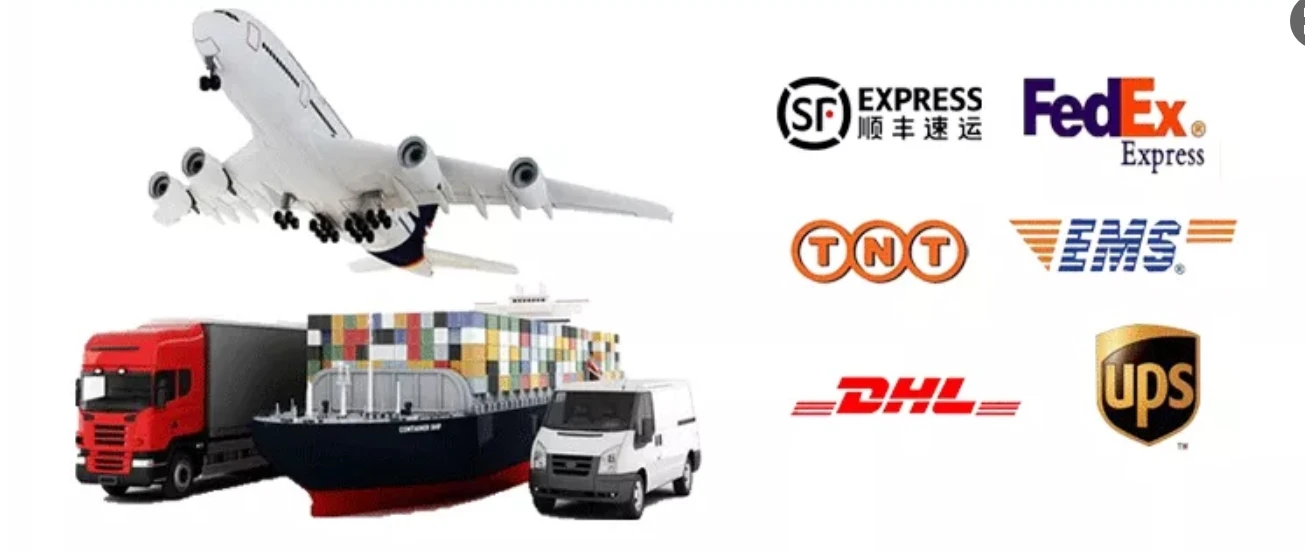


Our Certificates


FAQ
We're well-known as one of the leading fluid machinery parts manufacturers in China. If you're going to buy discount fluid machinery parts, welcome to get quotation from our factory. Also, customized service is available.
gaskets for fluid machinery, Cup Cover, air operated pump parts