

In today's era of rapid technological advancement, the concept of the Internet of Things (IoT) has transformed the way we interact with our surroundings. At the heart of this transformation is the coupling between different smart devices, a phenomenon that has revolutionized the efficiency, functionality, and user experience across various sectors. As a Coupling supplier, I have witnessed firsthand the profound impact of this technology and its potential to shape the future.
Understanding the Concept of Coupling in Smart Devices
Coupling, in the context of smart devices, refers to the seamless integration and interaction between different devices to achieve a common goal. This interaction can occur through various means, such as wired or wireless connections, and is facilitated by a combination of hardware, software, and communication protocols. The primary objective of coupling is to enable devices to share data, resources, and functionality, thereby enhancing their overall capabilities.
One of the key benefits of coupling is the ability to create a more interconnected and efficient ecosystem. For example, in a smart home environment, coupling allows devices such as smart thermostats, lighting systems, and security cameras to communicate with each other and respond to user commands. This not only enhances the convenience and comfort of the users but also helps to optimize energy consumption and improve security.
Types of Coupling in Smart Devices
There are several types of coupling that can occur between smart devices, each with its own unique characteristics and applications. Some of the most common types include:
- Physical Coupling: This type of coupling involves the direct physical connection between devices, such as through cables or connectors. Physical coupling is often used in applications where high-speed data transfer or reliable communication is required, such as in industrial automation or data centers.
- Wireless Coupling: Wireless coupling, on the other hand, allows devices to communicate without the need for physical connections. This is achieved through the use of wireless technologies such as Wi-Fi, Bluetooth, ZigBee, and NFC. Wireless coupling is particularly useful in applications where mobility and flexibility are important, such as in smart homes, wearables, and IoT sensors.
- Software Coupling: Software coupling refers to the integration of different software applications and systems to enable data sharing and interoperability. This can be achieved through the use of application programming interfaces (APIs), which allow different applications to communicate with each other and exchange data. Software coupling is essential for creating a seamless user experience and enabling the development of innovative applications and services.
The Role of Coupling in Different Industries
The coupling between smart devices has had a significant impact on various industries, transforming the way they operate and deliver value to their customers. Some of the industries that have benefited the most from this technology include:
- Healthcare: In the healthcare industry, coupling between smart devices has enabled the development of remote patient monitoring systems, which allow healthcare providers to monitor patients' vital signs and health conditions in real-time. This has not only improved the quality of care but also reduced the cost of healthcare by enabling early detection and intervention.
- Manufacturing: In the manufacturing industry, coupling between smart devices has enabled the implementation of the Industrial Internet of Things (IIoT), which allows manufacturers to connect and monitor their machines, equipment, and processes in real-time. This has improved the efficiency and productivity of manufacturing operations, reduced downtime, and enabled predictive maintenance.
- Transportation: In the transportation industry, coupling between smart devices has enabled the development of intelligent transportation systems (ITS), which use sensors, cameras, and communication technologies to improve the safety, efficiency, and sustainability of transportation networks. This has included the development of autonomous vehicles, smart traffic management systems, and connected logistics solutions.
Challenges and Considerations
While the coupling between smart devices offers numerous benefits, it also presents several challenges and considerations that need to be addressed. Some of the key challenges include:
- Security and Privacy: As smart devices become more interconnected, the risk of security breaches and privacy violations increases. It is essential to ensure that appropriate security measures are in place to protect the data and privacy of users.
- Interoperability: With the proliferation of different smart devices and technologies, ensuring interoperability between devices can be a significant challenge. It is important to adopt standardization and compatibility measures to ensure that devices can communicate and work together seamlessly.
- Scalability: As the number of smart devices and the volume of data generated by them continue to grow, scalability becomes a critical consideration. It is essential to design systems and infrastructure that can handle the increasing demand and complexity.
The Future of Coupling in Smart Devices
The future of coupling in smart devices looks promising, with continued advancements in technology and the increasing adoption of the Internet of Things. Some of the trends that are expected to shape the future of coupling include:
- Greater Integration and Automation: As smart devices become more intelligent and interconnected, we can expect to see greater integration and automation of systems and processes. This will enable more efficient and effective decision-making and improve the overall performance of organizations.
- Emergence of New Technologies: The development of new technologies such as artificial intelligence (AI), machine learning (ML), and blockchain is expected to have a significant impact on the coupling between smart devices. These technologies will enable more sophisticated data analysis, predictive maintenance, and secure transactions.
- Expansion of Applications: The coupling between smart devices is expected to expand into new applications and industries, such as agriculture, energy, and environmental monitoring. This will create new opportunities for innovation and growth.
Our Role as a Coupling Supplier
As a Coupling supplier, we are committed to providing high-quality coupling solutions that enable the seamless integration and interaction between different smart devices. Our products are designed to meet the specific needs and requirements of our customers, and we offer a range of options to choose from, including Coupling, Pressure Plate, and Hub.

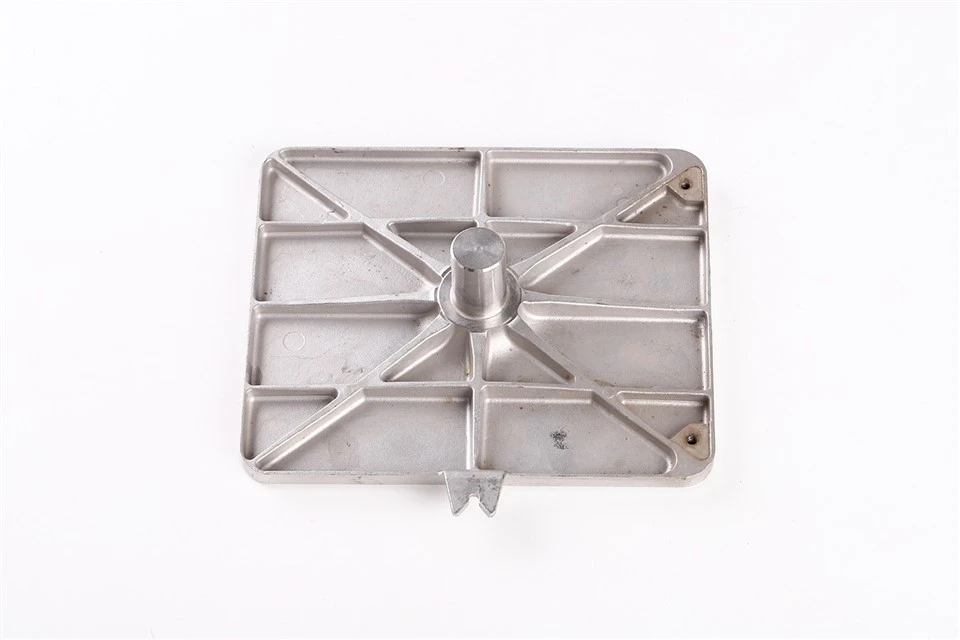
We understand the importance of security, reliability, and performance in the coupling of smart devices, and we take every step to ensure that our products meet the highest standards. Our team of experts has extensive experience in the field of coupling technology, and we are constantly working to develop new and innovative solutions to meet the evolving needs of our customers.
If you are looking for a reliable Coupling supplier to meet your smart device coupling needs, we invite you to contact us. Our team will be happy to discuss your requirements and provide you with a customized solution that meets your specific needs and budget.
References
- Li, X., & Liu, Y. (2018). Internet of Things: A survey on enabling technologies, protocols, and applications. Journal of Industrial and Management Optimization, 14(3), 1123-1145.
- Atzori, L., Iera, A., & Morabito, G. (2010). The Internet of Things: A survey. Computer Networks, 54(15), 2787-2805.
- Gubbi, J., Buyya, R., Marusic, S., & Palaniswami, M. (2013). Internet of Things (IoT): A vision, architectural elements, and future directions. Future Generation Computer Systems, 29(7), 1645-1660.