

Hey there! As a Pipe Body supplier, I've been getting a lot of questions lately about the bending properties of pipe bodies. So, I thought I'd take a deep dive into this topic and share what I've learned over the years.
What Are Bending Properties?
First things first, let's talk about what we mean by "bending properties." When we say a pipe body has certain bending properties, we're referring to how it behaves when it's subjected to a bending force. This includes things like how much it can bend before it starts to deform permanently, how much force it can withstand without breaking, and how its shape changes during the bending process.
There are a few key factors that affect the bending properties of a pipe body. These include the material the pipe is made of, its wall thickness, its diameter, and the way it's manufactured.
Material Matters
The material of the pipe body is probably the most important factor when it comes to bending properties. Different materials have different levels of flexibility, strength, and ductility. For example, steel pipes are known for their high strength and durability. They can withstand a lot of bending force without breaking, but they're also relatively stiff. This means that they require more force to bend compared to some other materials.
On the other hand, plastic pipes are much more flexible. They can be bent easily, even by hand in some cases. However, they're not as strong as steel pipes and may not be suitable for applications where high pressure or heavy loads are involved.
As a Pipe Body supplier, we offer a variety of materials to meet different needs. You can check out our Pipe Body page on our website to see the different options available.
Wall Thickness and Diameter
The wall thickness and diameter of a pipe body also play a significant role in its bending properties. Generally speaking, pipes with thicker walls are stronger and can withstand more bending force. However, they're also more difficult to bend.
Similarly, pipes with larger diameters are more flexible than those with smaller diameters. This is because the outer surface of a larger-diameter pipe has to stretch more during bending, which requires less force per unit area.
When choosing a pipe body for a bending application, it's important to consider the balance between strength and flexibility. You need a pipe that can withstand the expected bending forces without breaking, but you also want it to be easy enough to bend to the desired shape.
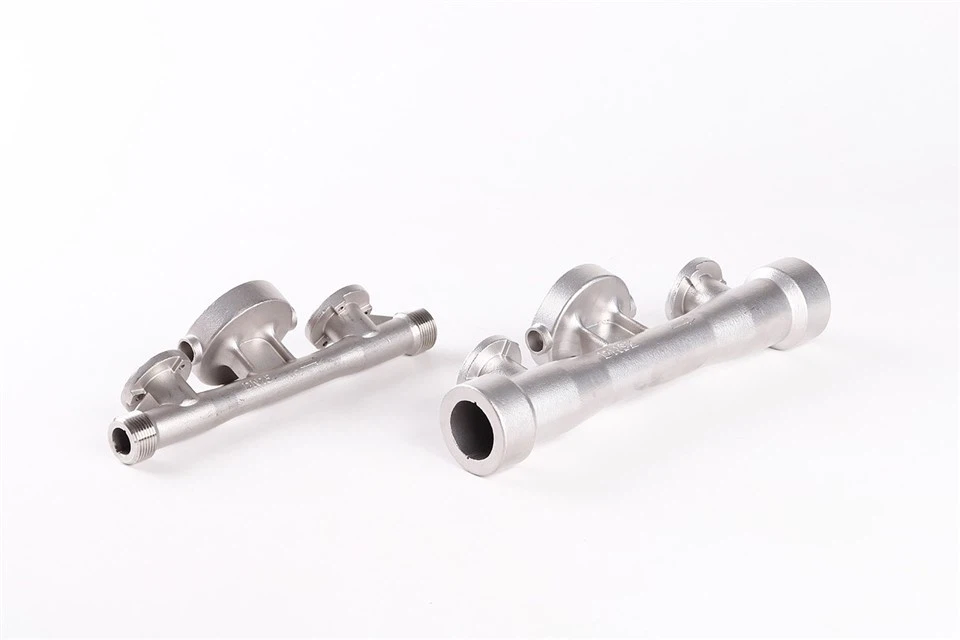

Manufacturing Process
The way a pipe body is manufactured can also affect its bending properties. For example, pipes that are made through a seamless manufacturing process tend to have more uniform properties compared to welded pipes. Seamless pipes are stronger and more resistant to cracking during bending.
Welded pipes, on the other hand, may have a weaker area at the weld joint. This can make them more prone to failure when bent, especially if the bending is done near the weld. However, modern welding techniques have improved significantly, and many welded pipes can now be bent successfully with proper care.
Testing Bending Properties
To ensure that our pipe bodies meet the required bending properties, we conduct various tests. One of the most common tests is the three-point bending test. In this test, a pipe is placed on two supports and a load is applied at the center. The amount of deflection and the maximum load the pipe can withstand before failure are measured.
Another test is the mandrel bending test. In this test, a pipe is bent around a mandrel (a shaped bar) to a specific radius. The pipe is then inspected for any signs of cracking, wrinkling, or other defects.
These tests help us to determine the quality and performance of our pipe bodies. We can then provide our customers with accurate information about the bending properties of the pipes they're interested in.
Applications of Pipe Bending
Pipe bending is used in a wide range of applications. In the construction industry, bent pipes are used for plumbing, heating, and ventilation systems. They can be bent to fit around obstacles and create complex layouts.
In the automotive industry, bent pipes are used for exhaust systems, fuel lines, and other components. The ability to bend pipes to the exact shape required allows for more efficient and compact designs.
In the fluid machinery industry, bent pipes are used in conjunction with other parts such as Impeller 2 and Sensor Clamp. They help to direct the flow of fluids and ensure the proper functioning of the machinery.
Tips for Bending Pipe Bodies
If you're planning to bend a pipe body yourself, here are a few tips to keep in mind:
- Use the right tools: Make sure you have the appropriate bending tools for the type and size of pipe you're working with. This could include a pipe bender, a mandrel, or a bending spring.
- Heat the pipe if necessary: Some materials, like steel, may need to be heated to make them more malleable. However, be careful not to overheat the pipe, as this can weaken the material.
- Take your time: Bending a pipe requires patience and precision. Don't try to bend it too quickly, as this can cause cracking or other damage.
Conclusion
In conclusion, the bending properties of a pipe body are influenced by several factors, including the material, wall thickness, diameter, and manufacturing process. As a Pipe Body supplier, we're committed to providing high-quality pipes with excellent bending properties. Whether you need pipes for construction, automotive, or fluid machinery applications, we have the expertise and products to meet your needs.
If you're interested in learning more about our pipe bodies or have any questions about bending properties, feel free to reach out. We're always happy to help you find the right solution for your project. Let's start a conversation about your pipe body requirements and see how we can work together to achieve your goals.
References
- ASME B31.1 - Power Piping Code
- ASTM A53 - Standard Specification for Pipe, Steel, Black and Hot-Dipped, Zinc-Coated, Welded and Seamless
- TWI (The Welding Institute) - Pipe Bending and Forming Guide