

Hey there! I'm a supplier of hubs, and I know how frustrating it can be when a hub stops working. But don't worry, I've got your back. In this blog, I'll walk you through the steps to troubleshoot a non - working hub.
1. Initial Checks
First things first, you gotta do some basic checks. Start by looking at the physical condition of the hub. Check if there are any visible signs of damage like cracks, dents, or loose parts. Sometimes, a simple bump or a drop can mess things up. If you see any damage, it might be a sign that the hub needs to be replaced.
Next, take a look at the connections. Make sure all the cables are properly plugged in. Loose cables are a common culprit when it comes to hub malfunctions. Unplug and then plug them back in firmly to ensure a good connection. This simple step can often fix the issue.
2. Power Supply
The power supply is crucial for a hub to work. If your hub is powered, check if it's getting electricity. You can do this by looking at the power indicator light on the hub. If it's not lit, there could be a problem with the power source.
Try plugging the power adapter into a different outlet. Sometimes, the outlet itself might be faulty. If you're using a power strip, make sure it's turned on and functioning correctly. You can also test the power adapter with another device that uses the same type of power supply to see if the adapter is the problem.
3. Check for Overheating
Hubs can overheat, especially if they're being used for long periods or if they're placed in a poorly ventilated area. Overheating can cause a hub to malfunction or even shut down.
Feel the hub to see if it's unusually hot. If it is, try moving it to a cooler location. Make sure there's enough space around the hub for air to circulate. You can also use a small fan to blow air over the hub to help cool it down. Once it cools off, see if it starts working again.
4. Device Compatibility
Sometimes, the problem isn't with the hub itself but with the devices connected to it. Check if the devices you're using are compatible with the hub. Different hubs have different specifications in terms of data transfer rates, power output, and the number of devices they can support.
For example, if you're trying to connect a high - speed device to an older hub that can't handle the data transfer rate, it might not work properly. Make a list of the devices you're using and check the hub's manual to see if they're compatible. If not, you might need to upgrade the hub or use a different one.
5. Software and Drivers
In some cases, the issue could be related to software or drivers. If your hub requires specific drivers to work, make sure they're installed correctly. Outdated or corrupted drivers can cause all sorts of problems.
You can check the manufacturer's website for the latest drivers for your hub. Download and install them following the instructions provided. After installing the drivers, restart your computer and see if the hub starts working.
6. Diagnostic Tools
If you've gone through all the above steps and the hub still isn't working, it might be time to use some diagnostic tools. There are several software tools available that can help you troubleshoot network - related issues.
These tools can check for problems like network congestion, IP address conflicts, and more. You can also use hardware diagnostic tools if you have access to them. They can test the hub's internal components to see if there are any faults.
7. Component - Specific Checks
Let's talk about some component - specific checks. If your hub has certain parts like a Pressure Plate, Lock Core, or Lock Handle, make sure they're working properly.
The pressure plate is important for maintaining the right pressure in the hub. If it's damaged or not functioning correctly, it can affect the overall performance. Check for any signs of wear and tear on the pressure plate.

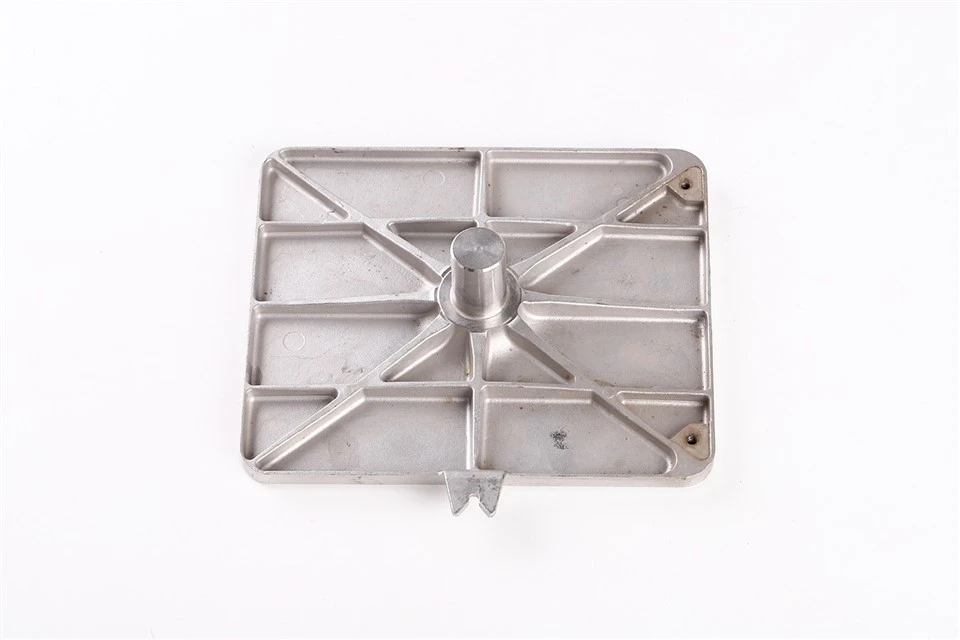
The lock core and lock handle are used for security and access control. If they're not working, it could be a sign of a mechanical problem. Try to operate them manually to see if they're stuck or broken.
8. Professional Help
If you've tried everything and still can't get the hub to work, it might be time to seek professional help. You can contact a technician who specializes in networking equipment. They have the expertise and tools to diagnose and fix complex problems.
Another option is to reach out to us, the hub suppliers. We have a team of experts who can provide technical support and advice. We can also offer replacement parts if needed.
Conclusion
Troubleshooting a non - working hub can be a bit of a headache, but by following these steps, you should be able to identify and fix the problem in most cases. Remember to start with the basic checks and work your way up to the more complex solutions.
If you're in the market for a new hub or need replacement parts, don't hesitate to get in touch with us. We offer high - quality hubs and a wide range of accessories. Whether you're a small business or a large enterprise, we can provide the right solution for your needs. Contact us today to start the procurement process and get the best hub for your requirements.
References
- General knowledge of network equipment troubleshooting
- Manufacturer's manuals for hubs and related components