

Floods are one of the most destructive natural disasters that can cause significant damage to homes. As a Housing supplier, I understand the importance of protecting houses from floods. In this blog, I will share some effective strategies and measures that homeowners can take to safeguard their properties against flood damage.
Understanding the Flood Risk
The first step in protecting a house from floods is to understand the flood risk in the area. Homeowners can check the flood maps provided by local authorities or use online tools to determine the flood zone their property is located in. This information will help them assess the likelihood and severity of flooding and take appropriate preventive measures.
Elevating the House
One of the most effective ways to protect a house from floods is to elevate it above the flood level. This can be achieved by building the house on a raised foundation or using stilts. Elevating the house can prevent floodwaters from entering the living areas and reduce the risk of structural damage. However, this option can be expensive and may require professional engineering and construction work.
Waterproofing the Foundation
Another important measure is to waterproof the foundation of the house. This can be done by applying a waterproof coating or membrane to the exterior walls of the foundation. Waterproofing can prevent water from seeping into the basement or crawl space and causing damage to the structure and the contents of the house. Additionally, installing a sump pump in the basement can help remove any water that does enter.
Installing Flood Vents
Flood vents are designed to allow floodwaters to flow through the foundation walls of a house, equalizing the pressure inside and outside the building. This can prevent the foundation from being damaged by the force of the water. Flood vents should be installed at the appropriate height and size to ensure they function effectively. They are relatively inexpensive and can be a simple yet effective way to protect a house from flood damage.

Using Flood-Resistant Building Materials
When building or renovating a house in a flood-prone area, it is important to use flood-resistant building materials. These materials are designed to withstand exposure to water and can help reduce the damage caused by floods. For example, using concrete or brick for the exterior walls, and installing water-resistant flooring and drywall can make the house more resilient to flood damage.
Maintaining the Drainage System
A well-maintained drainage system is essential for preventing water from accumulating around the house. Homeowners should regularly clean the gutters and downspouts to ensure they are free of debris and can effectively channel water away from the house. Additionally, grading the land around the house so that water flows away from the foundation can help prevent water from pooling and causing damage.
Creating a Flood Barrier
In some cases, it may be necessary to create a flood barrier around the house. This can be done using sandbags, flood walls, or other temporary or permanent barriers. Flood barriers can help divert floodwaters away from the house and protect it from damage. However, it is important to ensure that the barriers are properly installed and maintained to be effective.
Securing Outdoor Items
During a flood, outdoor items such as furniture, grills, and tools can become projectiles and cause damage to the house and other structures. Homeowners should secure these items or move them indoors before a flood occurs. Additionally, trimming trees and shrubs around the house can help prevent branches from falling on the house during a storm.
Having a Flood Insurance Policy
Even with all the preventive measures in place, there is still a risk of flood damage. Therefore, it is important for homeowners to have a flood insurance policy. Flood insurance can provide financial protection in the event of a flood and help cover the cost of repairs and replacement of damaged property. Homeowners should contact their insurance provider to learn more about flood insurance options and to ensure they have adequate coverage.
The Role of Quality Hardware Accessories
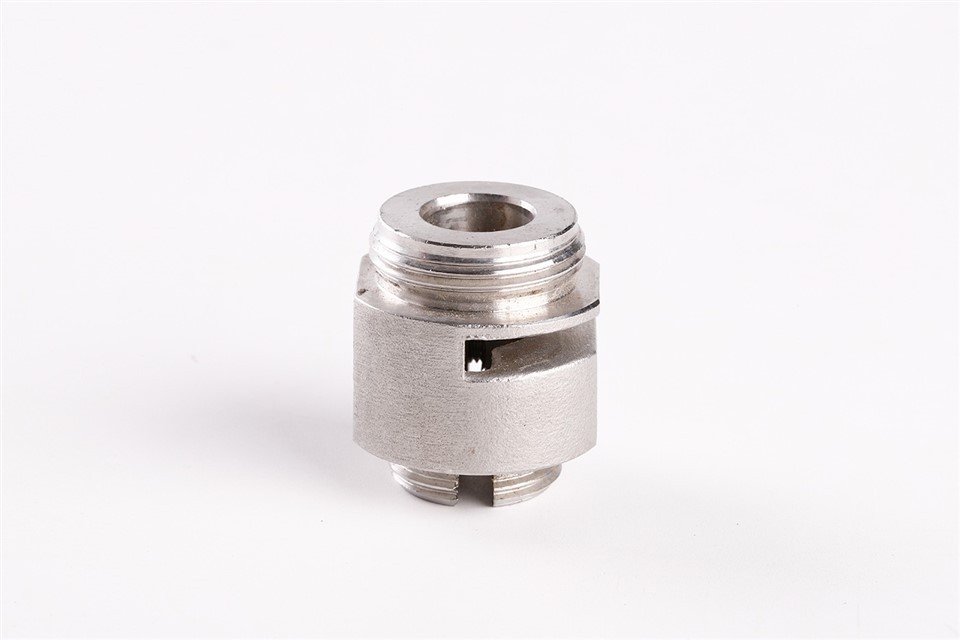
In addition to the above measures, using high - quality hardware accessories can also contribute to flood protection. For example, the Small Three-way Valve Body can be used in plumbing systems to control the flow of water, which is crucial during a flood situation. It can help redirect water away from vulnerable areas or shut off the water supply if necessary.
The Lock Nut is another important accessory. It can be used to secure various components in the house, such as pipes and fixtures. During a flood, strong water pressure and movement can cause vibrations that may loosen connections. A lock nut can prevent these connections from coming loose, ensuring the integrity of the plumbing and other systems.
As a Housing supplier, we offer a wide range of Housing products that are designed to be durable and resistant to flood damage. Our housings are made from high - quality materials and are built to withstand the harsh conditions associated with floods.
Conclusion
Protecting a house from floods requires a combination of preventive measures, proper maintenance, and the use of appropriate building materials and hardware accessories. By understanding the flood risk, taking proactive steps to elevate the house, waterproof the foundation, install flood vents, and use flood - resistant materials, homeowners can significantly reduce the risk of flood damage. Additionally, having a flood insurance policy and securing outdoor items can provide additional protection.
If you are interested in purchasing high - quality housing products or hardware accessories for flood protection, we encourage you to contact us for a procurement negotiation. We are committed to providing our customers with the best products and services to help them protect their homes from floods.
References
- Federal Emergency Management Agency (FEMA). "Flood Insurance: A Guide for Homeowners and Renters."
- American Society of Civil Engineers (ASCE). "Flood - Resistant Design and Construction."
- National Flood Insurance Program (NFIP). "Flood Risk Information and Resources."