

Do lock nuts prevent loosening completely?
As a supplier of lock nuts, I've encountered numerous inquiries from customers about the effectiveness of these components in preventing loosening. It's a question that goes to the heart of the functionality and reliability of lock nuts, and one that deserves a thorough exploration.
Understanding Lock Nuts
Before delving into whether lock nuts can prevent loosening completely, it's essential to understand what lock nuts are and how they work. A Lock Nut is a type of nut designed to resist loosening under the influence of vibration, rotation, or other dynamic forces. Unlike standard nuts, which rely solely on the friction between the threads and the mating surface to stay in place, lock nuts incorporate additional features or mechanisms to enhance their locking ability.
There are several types of lock nuts available on the market, each with its own unique design and locking principle. Some common types include:

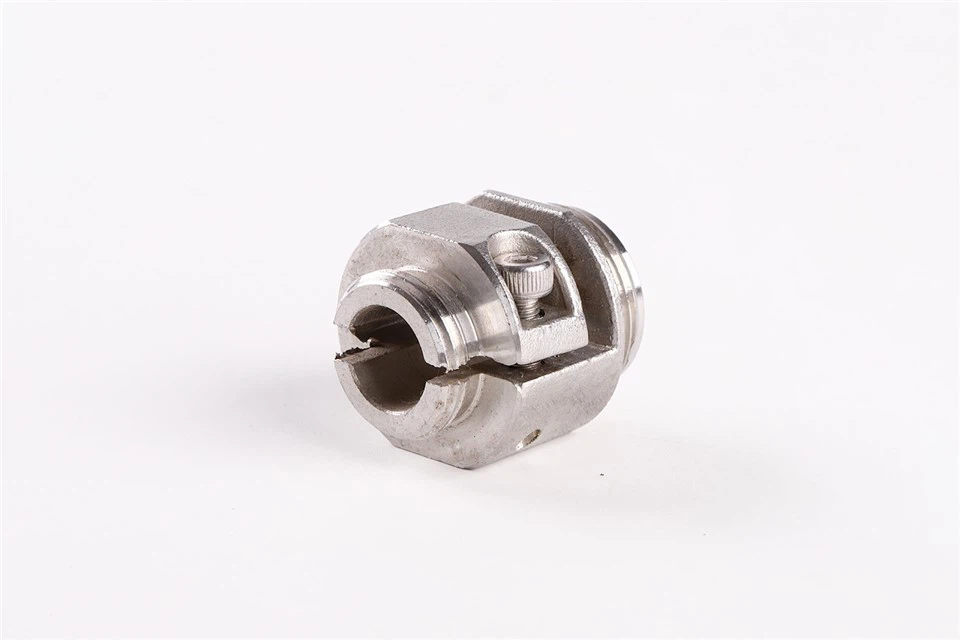
- Nylon-insert lock nuts: These nuts feature a nylon insert that creates a wedge-like effect when tightened, increasing the friction between the nut and the bolt. The nylon insert also helps to absorb vibration and prevent the nut from backing off.
- Prevailing-torque lock nuts: These nuts have a deformed thread or a special coating that creates a high resistance to rotation. The prevailing torque ensures that the nut remains tight even under extreme conditions.
- Split lock nuts: These nuts have a split or a slot that allows them to be compressed slightly when tightened. The compression creates a spring-like action that helps to keep the nut in place.
Factors Affecting Loosening
To determine whether lock nuts can prevent loosening completely, it's important to consider the factors that can cause nuts to loosen in the first place. Some of the common factors include:
- Vibration: Vibration is one of the most common causes of nut loosening. When a machine or a structure vibrates, the nut can be subjected to repeated shocks and impacts, which can gradually loosen the threads.
- Rotation: If a nut is subjected to rotational forces, such as those caused by a rotating shaft or a moving part, it can start to turn and loosen.
- Thermal expansion and contraction: Changes in temperature can cause materials to expand or contract, which can affect the fit between the nut and the bolt. If the nut and the bolt have different coefficients of thermal expansion, the nut may loosen over time.
- Incorrect installation: If a nut is not installed correctly, it may not be tightened to the proper torque or may not be seated properly on the bolt. This can lead to uneven stress distribution and premature loosening.
The Effectiveness of Lock Nuts
While lock nuts are designed to prevent loosening, it's important to note that no lock nut can guarantee 100% prevention of loosening. The effectiveness of a lock nut depends on several factors, including the type of lock nut, the application, the operating conditions, and the installation method.
In general, lock nuts can significantly reduce the risk of loosening and provide a higher level of security compared to standard nuts. However, they may not be suitable for all applications or operating conditions. For example, in high-vibration environments or applications where the nut is subjected to extreme forces, additional measures may be required to ensure the integrity of the joint.
Some of the limitations of lock nuts include:
- Limited effectiveness against extreme vibration: While lock nuts can help to reduce the effects of vibration, they may not be able to prevent loosening completely in high-vibration environments. In such cases, additional vibration-damping measures, such as the use of washers or rubber gaskets, may be necessary.
- Susceptibility to wear and tear: Over time, the locking mechanism of a lock nut may wear out or become damaged, reducing its effectiveness. Regular inspection and replacement of lock nuts may be required to ensure continued performance.
- Installation requirements: Lock nuts often require special installation procedures or tools to ensure proper tightening. If the installation is not done correctly, the lock nut may not function as intended.
Real-World Applications
To illustrate the effectiveness of lock nuts in real-world applications, let's consider a few examples:
- Automotive industry: In the automotive industry, lock nuts are used in a variety of applications, such as engine components, suspension systems, and wheel assemblies. These applications are often subjected to high levels of vibration and stress, making the use of lock nuts essential to prevent loosening and ensure the safety and reliability of the vehicle.
- Aerospace industry: In the aerospace industry, lock nuts are used in critical applications where the failure of a joint could have catastrophic consequences. For example, lock nuts are used to secure the fasteners on aircraft wings, landing gear, and engine components. The high reliability and performance requirements of the aerospace industry demand the use of the most effective lock nuts available.
- Industrial machinery: In industrial machinery, lock nuts are used to secure bolts and nuts in equipment such as motors, pumps, and conveyors. These applications are often subjected to continuous vibration and heavy loads, making the use of lock nuts crucial to prevent downtime and ensure the efficient operation of the machinery.
Conclusion
In conclusion, while lock nuts are an effective solution for preventing loosening, they cannot guarantee 100% prevention. The effectiveness of a lock nut depends on several factors, including the type of lock nut, the application, the operating conditions, and the installation method. To ensure the reliability and safety of your applications, it's important to choose the right type of lock nut and to install it correctly.
As a supplier of lock nuts, we offer a wide range of high-quality lock nuts that are designed to meet the needs of various applications. Our lock nuts are manufactured using the latest technology and materials to ensure superior performance and reliability. If you have any questions or need assistance in selecting the right lock nut for your application, please feel free to contact us. We would be happy to help you find the best solution for your needs.
References
- "Mechanical Design Handbook," by Robert C. Juvinall and Kurt M. Marshek
- "Fastening and Joining," by J. H. Bickford
- "Vibration Damping in Structural Elements," by S. K. Lau and C. H. Hui