

Sensor clamps are essential components in various industries, playing a crucial role in securely holding sensors in place. As a leading sensor clamp supplier, I often receive inquiries from customers about the ease of disassembling sensor clamps for maintenance purposes. In this blog post, I will delve into this topic, exploring the factors that affect the disassembly process and providing insights based on our extensive experience in the industry.
Design Features Affecting Disassembly
One of the primary factors that determine the ease of disassembling sensor clamps is their design. Modern sensor clamps come in a variety of designs, each with its own set of features that can either simplify or complicate the disassembly process.
Modular Design
Sensor clamps with a modular design are generally easier to disassemble. These clamps are composed of multiple individual components that can be easily separated without the need for specialized tools. For example, some clamps feature a snap - fit design, where the parts can be simply pulled apart by hand. This modularity not only facilitates maintenance but also allows for easy replacement of individual components in case of damage.
Fastening Mechanisms
The type of fastening mechanism used in a sensor clamp also has a significant impact on disassembly. Common fastening mechanisms include screws, bolts, and clips.
- Screws and Bolts: Clamps secured with screws or bolts may require a screwdriver or a wrench for disassembly. However, the advantage of this type of fastening is that it provides a strong and secure hold. Some advanced sensor clamps use captive screws, which are attached to the clamp and cannot be completely removed. This prevents the loss of small parts during disassembly and makes the reassembly process more straightforward.
- Clips: Clamps with clip - based fastening mechanisms are often quicker to disassemble. They can usually be opened by applying a small amount of pressure to release the clip. This type of fastening is ideal for applications where frequent disassembly is required.
Material Considerations
The materials used in the construction of sensor clamps can also influence the disassembly process. Different materials have different properties that can affect the ease of disassembly.
Plastic Clamps
Plastic sensor clamps are lightweight and often have a relatively simple design. They are usually easy to disassemble, as plastic is a flexible material that can be bent or snapped apart in some cases. However, plastic may be more prone to wear and tear over time, which could potentially make disassembly more difficult if the plastic becomes brittle or deformed.
Metal Clamps
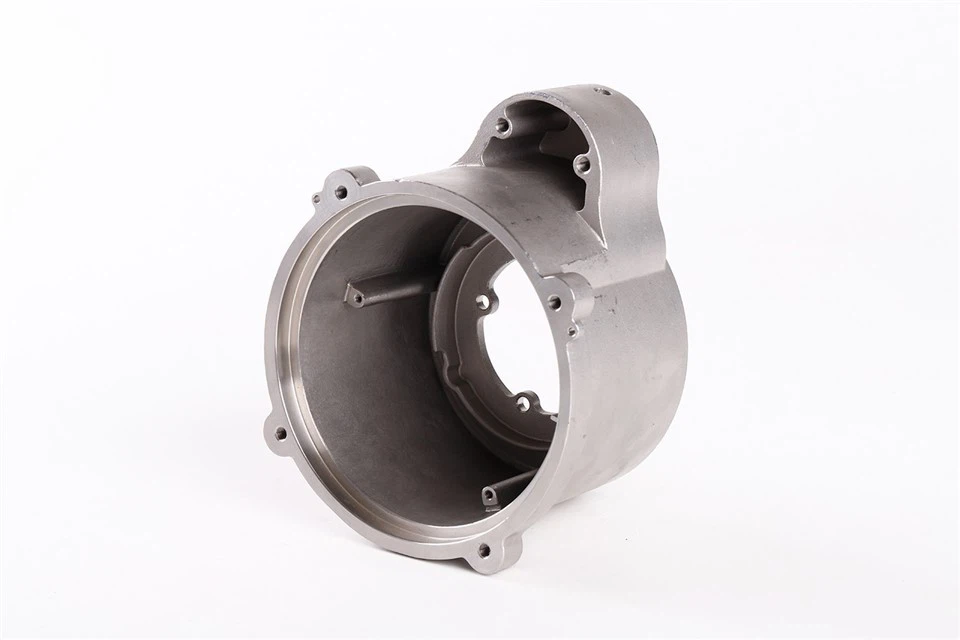
Metal sensor clamps, on the other hand, are more durable and can withstand higher levels of stress. They are typically fastened with screws or bolts, which may require tools for disassembly. Metal clamps may also be more resistant to environmental factors such as heat and moisture, but they can be heavier and more difficult to handle during disassembly.

Environmental Factors
The environment in which the sensor clamp is used can also impact the ease of disassembly. For example, if the clamp is exposed to dust, dirt, or moisture, it may become more difficult to disassemble due to the accumulation of debris or corrosion.
Corrosion
In environments with high humidity or exposure to corrosive substances, metal sensor clamps may be prone to corrosion. Corrosion can cause the fastening mechanisms to seize up, making it difficult to remove screws or bolts. To mitigate this issue, some sensor clamps are made from corrosion - resistant materials such as stainless steel or are coated with a protective layer.
Debris Accumulation
Dust and dirt can accumulate in the joints and fastening points of a sensor clamp, making it harder to disassemble. Regular cleaning and maintenance can help prevent debris accumulation and ensure that the clamp remains easy to disassemble when needed.
Tools Required for Disassembly
The availability of the right tools is crucial for the successful disassembly of sensor clamps. As mentioned earlier, different fastening mechanisms require different tools.
Basic Tools
- Screwdrivers: A set of screwdrivers with different sizes and types (flat - head and Phillips - head) is essential for clamps secured with screws.
- Wrenches: For clamps fastened with bolts, a wrench of the appropriate size is needed. Adjustable wrenches can be useful as they can be adjusted to fit different bolt sizes.
Specialized Tools
In some cases, specialized tools may be required for disassembly. For example, some high - precision sensor clamps may require a torque wrench to ensure that the screws are tightened to the correct specification during reassembly.
Real - World Applications and Case Studies
To illustrate the importance of easy - to - disassemble sensor clamps, let's consider some real - world applications.
Industrial Automation
In industrial automation systems, sensors are used to monitor various parameters such as temperature, pressure, and flow. These sensors need to be regularly maintained to ensure accurate readings. Sensor clamps that are easy to disassemble allow maintenance personnel to quickly access the sensors for cleaning, calibration, or replacement. This reduces downtime and improves the overall efficiency of the industrial process.
Medical Equipment
In the medical field, sensors are used in a variety of devices such as patient monitors and diagnostic equipment. Sensor clamps in medical equipment need to be easy to disassemble for cleaning and sterilization purposes. This helps to maintain a high level of hygiene and ensures the safety of patients.
Comparison with Related Products
When considering the ease of disassembly of sensor clamps, it is also interesting to compare them with related products such as Cup Cover, List Box, and Ultrasonic Water Case.
- Cup Cover: Cup covers are often designed to be easily removable for cleaning and refilling. Similar to sensor clamps, their ease of disassembly depends on the design and fastening mechanism. However, cup covers are typically used in a less critical environment compared to sensor clamps, and the requirements for disassembly may be different.
- List Box: List boxes are used in fluid machinery to control the flow of fluids. They may require occasional maintenance, and the ease of disassembly is an important factor. While the design of list boxes may be more complex than sensor clamps, the principles of easy disassembly still apply.
- Ultrasonic Water Case: Ultrasonic water cases are used in ultrasonic cleaning equipment. They need to be disassembled for cleaning and maintenance of the ultrasonic transducers. The disassembly process of an ultrasonic water case may involve removing panels and accessing internal components, which can be more involved compared to sensor clamps.
Conclusion
In conclusion, the ease of disassembling sensor clamps for maintenance depends on several factors, including design features, materials, environmental factors, and the availability of the right tools. As a sensor clamp supplier, we understand the importance of providing products that are easy to disassemble. Our sensor clamps are designed with modularity and user - friendly fastening mechanisms in mind, making them suitable for a wide range of applications.
If you are in the market for sensor clamps and are looking for products that are easy to disassemble for maintenance, we would be delighted to discuss your requirements. Our team of experts can provide you with detailed information and help you choose the right sensor clamps for your specific needs. Contact us to start a procurement discussion and discover how our high - quality sensor clamps can benefit your operations.
References
- Smith, J. (2018). "Design Considerations for Sensor Mounting Clamps". Journal of Industrial Engineering.
- Johnson, A. (2019). "Materials Selection for Sensor Clamps in Harsh Environments". Materials Science Review.
- Brown, C. (2020). "Maintenance Best Practices for Sensor Clamps". Maintenance Technology Magazine.