

What are the requirements for lock nuts in plumbing systems?
In the intricate world of plumbing systems, every component plays a crucial role in ensuring the efficient and reliable operation of the entire setup. Among these components, lock nuts stand out as essential elements that provide stability and security. As a trusted Lock Nut supplier, I understand the significance of meeting the specific requirements for lock nuts in plumbing systems. In this blog post, I will delve into the key requirements for lock nuts in plumbing applications, exploring their functions, materials, and performance characteristics.
Functions of Lock Nuts in Plumbing Systems
Lock nuts serve several important functions in plumbing systems. Their primary purpose is to prevent the loosening of threaded connections due to vibration, thermal expansion and contraction, or other external forces. By securely fastening pipes, fittings, and valves, lock nuts help to maintain the integrity of the plumbing system and prevent leaks. Additionally, lock nuts can provide a means of adjusting the position of components, allowing for precise alignment and installation.
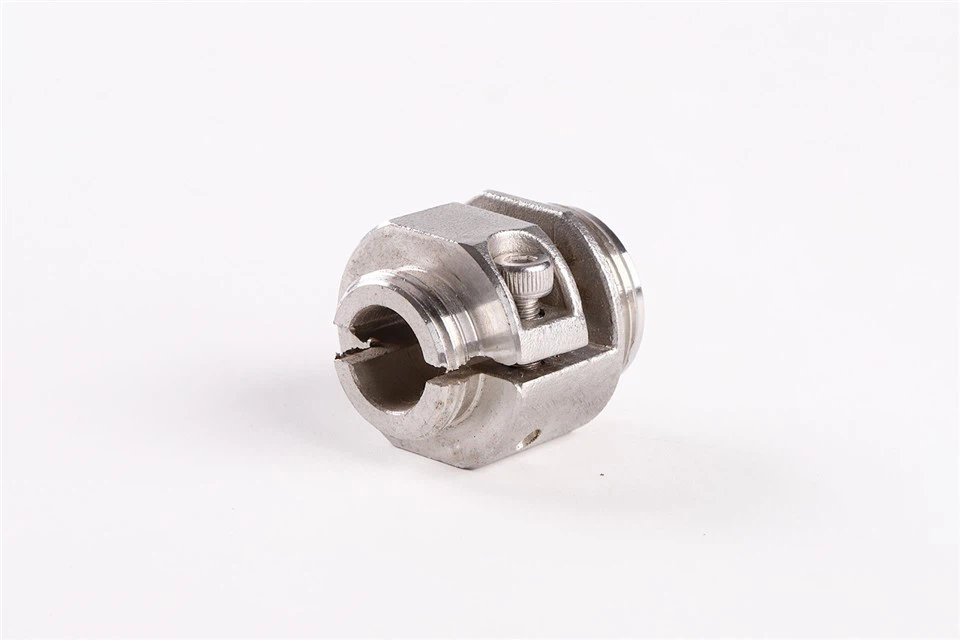

One of the key functions of lock nuts is to create a tight seal between the mating surfaces of threaded connections. This helps to prevent the leakage of water, gas, or other fluids, ensuring the safe and efficient operation of the plumbing system. In applications where high pressures or temperatures are involved, the use of lock nuts is particularly important to prevent the loosening of connections and potential failures.
Material Requirements for Lock Nuts in Plumbing Systems
The choice of material for lock nuts in plumbing systems is critical to their performance and durability. Different materials offer varying levels of strength, corrosion resistance, and chemical compatibility, and the selection should be based on the specific requirements of the application.
Stainless Steel: Stainless steel is a popular choice for lock nuts in plumbing systems due to its excellent corrosion resistance and high strength. It is suitable for use in both indoor and outdoor applications, as well as in harsh environments where exposure to moisture, chemicals, or saltwater is a concern. Stainless steel lock nuts are available in a variety of grades, each offering different levels of corrosion resistance and mechanical properties.
Brass: Brass is another commonly used material for lock nuts in plumbing systems. It is known for its good corrosion resistance, malleability, and conductivity. Brass lock nuts are often used in applications where a decorative finish is desired, as they can be easily polished to a bright shine. However, brass may not be suitable for use in applications where exposure to certain chemicals or high temperatures is expected, as it can be prone to corrosion and dezincification.
Nylon-Insert Lock Nuts: Nylon-insert lock nuts, also known as prevailing torque lock nuts, are a type of lock nut that incorporates a nylon insert to provide additional locking force. The nylon insert creates a frictional force between the nut and the bolt, preventing the nut from loosening under vibration or other external forces. Nylon-insert lock nuts are available in a variety of materials, including stainless steel and brass, and are commonly used in plumbing applications where a reliable locking solution is required.
Performance Requirements for Lock Nuts in Plumbing Systems
In addition to material requirements, lock nuts in plumbing systems must also meet certain performance standards to ensure their reliability and safety. These performance requirements include:
Tightening Torque: The tightening torque of a lock nut is the amount of force required to properly secure the nut onto the bolt or threaded pipe. It is important to follow the manufacturer's recommendations for tightening torque to ensure that the lock nut is properly installed and provides the necessary locking force. Over-tightening the lock nut can cause damage to the threads or the mating surfaces, while under-tightening can result in the nut loosening over time.
Prevailing Torque: Prevailing torque is the amount of torque required to turn the lock nut after it has been initially tightened. It is a measure of the locking effectiveness of the lock nut and is typically specified by the manufacturer. A lock nut with a high prevailing torque is more resistant to loosening under vibration and other external forces.
Corrosion Resistance: As mentioned earlier, corrosion resistance is an important performance requirement for lock nuts in plumbing systems. The lock nut should be able to withstand the effects of moisture, chemicals, and other corrosive agents without deteriorating or losing its locking effectiveness. This can be achieved through the use of corrosion-resistant materials or by applying a protective coating to the lock nut.
Thread Engagement: The thread engagement of a lock nut refers to the amount of contact between the threads of the nut and the bolt or threaded pipe. It is important to ensure that the lock nut has sufficient thread engagement to provide a secure connection. Insufficient thread engagement can result in the nut loosening over time or the threads stripping under load.
Compatibility with Other Components
Lock nuts in plumbing systems must also be compatible with other components in the system, such as pipes, fittings, and valves. This includes ensuring that the thread size and pitch of the lock nut match those of the mating component, as well as considering the material compatibility and the operating conditions of the system.
For example, when using a lock nut to secure a Small Three-way Valve Body, it is important to ensure that the thread size and pitch of the lock nut are compatible with the valve body. Additionally, the material of the lock nut should be selected based on the material of the valve body and the operating conditions of the system to ensure proper corrosion resistance and performance.
Similarly, when using a lock nut to secure a Housing, it is important to consider the material compatibility and the operating conditions of the housing. The lock nut should be able to provide a secure connection without causing damage to the housing or interfering with its function.
Quality Assurance and Testing
As a Lock Nut supplier, I understand the importance of quality assurance and testing to ensure that our products meet the highest standards of performance and reliability. We implement a rigorous quality control process that includes inspecting raw materials, monitoring production processes, and conducting final product testing.
Our lock nuts are tested for a variety of performance characteristics, including tightening torque, prevailing torque, corrosion resistance, and thread engagement. We use state-of-the-art testing equipment and techniques to ensure that our products meet or exceed the industry standards and customer requirements.
In addition to in-house testing, we also work closely with independent testing laboratories to conduct third-party testing and certification. This helps to provide our customers with the confidence that our lock nuts are of the highest quality and are suitable for use in their plumbing systems.
Conclusion
In conclusion, lock nuts play a vital role in plumbing systems by providing stability, security, and preventing leaks. To meet the specific requirements of plumbing applications, lock nuts must be made from suitable materials, meet certain performance standards, and be compatible with other components in the system. As a Lock Nut supplier, we are committed to providing our customers with high-quality lock nuts that meet or exceed their expectations.
If you are in the market for Lock Nuts for your plumbing system, I encourage you to contact us to discuss your specific requirements. Our team of experts will be happy to assist you in selecting the right lock nuts for your application and provide you with the support and guidance you need to ensure a successful installation.
References
- ASME B18.2.4.6M - 2013, "Hex Nuts (Metric), Machine Screw Nuts, and Wing Nuts"
- ASTM A194/A194M - 21, "Standard Specification for Carbon and Alloy Steel Nuts for Bolts for High-Pressure and High-Temperature Service"
- ASTM A325 - 21, "Standard Specification for Structural Bolts, Steel, Heat Treated, 120/105 ksi Minimum Tensile Strength"
- ISO 4032 - 2019, "Hexagon nuts, product grades A and B"