

Getting the index of the selected item in a list box is a common requirement in many software applications, especially those that involve user interaction with a set of options. As a list box supplier, I've seen firsthand how crucial this functionality is for a seamless user experience. In this blog post, I'll share some insights on how to achieve this and also touch on some related considerations.
Understanding the Basics of List Boxes
A list box is a graphical control element that presents a list of items to the user, allowing them to select one or more of these items. The index of an item in a list box refers to its position within the list, typically starting from 0 for the first item. When a user selects an item, obtaining its index can be useful for various purposes, such as retrieving additional information about the selected item, performing specific actions based on the selection, or updating other parts of the application interface.
Methods to Get the Index of the Selected Item
Using JavaScript in Web Applications
In web development, JavaScript is a powerful tool for handling list box interactions. Consider a simple HTML list box:
<select id="myListBox">
  <option value="option1">Option 1</option>
  <option value="option2">Option 2</option>
  <option value="option3">Option 3</option>
</select>
To get the index of the selected item using JavaScript, you can use the following code:
const listBox = document.getElementById('myListBox');
const selectedIndex = listBox.selectedIndex;
console.log('Selected index:', selectedIndex);
This code first retrieves the list box element by its ID. Then, it accesses the selectedIndex property, which returns the index of the currently selected option.
In Desktop Applications with Python and Tkinter
For desktop applications, Python's Tkinter library provides a straightforward way to work with list boxes. Here's an example:
import tkinter as tk

def get_selected_index():
    selected_indices = listbox.curselection()
    if selected_indices:
        print('Selected index:', selected_indices[0])

root = tk.Tk()
listbox = tk.Listbox(root)
listbox.insert(0, 'Option 1')
listbox.insert(1, 'Option 2')
listbox.insert(2, 'Option 3')
listbox.pack()

button = tk.Button(root, text='Get Selected Index', command=get_selected_index)
button.pack()

root.mainloop()
In this code, the curselection() method of the list box returns a tuple of the indices of the selected items. Since we're dealing with a single-selection list box in this example, we access the first element of the tuple to get the selected index.
Considerations for Different Selection Modes
List boxes can support different selection modes, such as single selection, multiple selection, and extended selection. When dealing with multiple selection, getting the indices of all selected items becomes important.
Multiple Selection in HTML
In an HTML list box with multiple selection enabled:
<select id="myMultiListBox" multiple>
  <option value="option1">Option 1</option>
  <option value="option2">Option 2</option>
  <option value="option3">Option 3</option>
</select>
To get the indices of all selected items in JavaScript:
const multiListBox = document.getElementById('myMultiListBox');
const selectedIndices = [];
for (let i = 0; i < multiListBox.options.length; i++) {
  if (multiListBox.options[i].selected) {
    selectedIndices.push(i);
  }
}
console.log('Selected indices:', selectedIndices);
This code iterates through all the options in the list box and checks if each option is selected. If it is, its index is added to the selectedIndices array.
Related Products and Applications
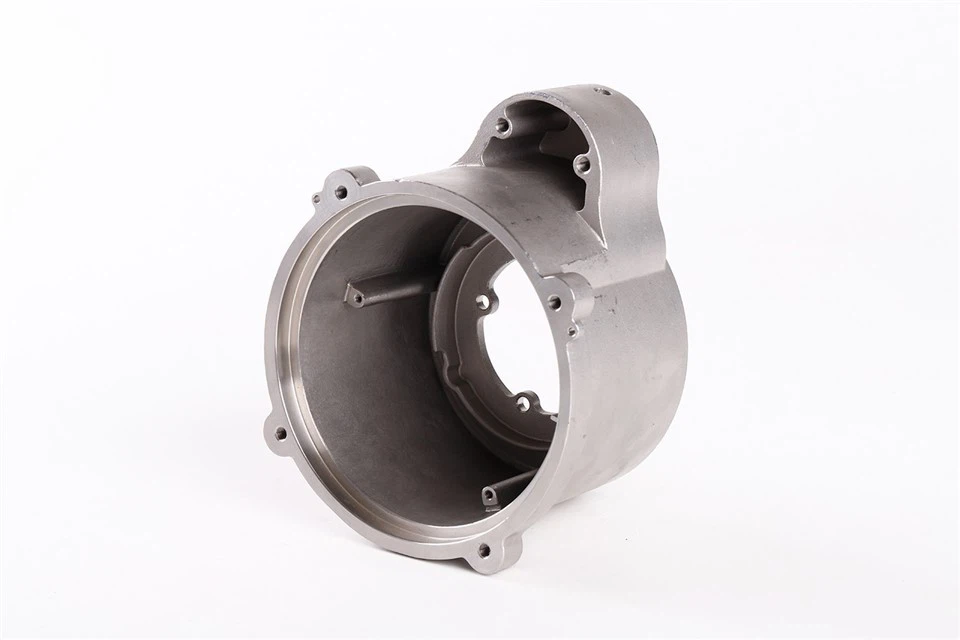
As a list box supplier, we also offer a range of related products for fluid machinery parts. For example, the Impeller 1 is a crucial component in many fluid systems. It plays a vital role in the efficient transfer of fluids, and its proper functioning often depends on accurate control and monitoring, which can be facilitated by well-designed user interfaces with list boxes for selection and configuration.
The Ultrasonic Water Case is another product where user interaction and selection are important. The ability to select different operating modes or settings through a list box can enhance the usability and functionality of the device.
Similarly, the Valve Cover With Tube requires precise control and configuration. List boxes can be used in the associated control software to allow users to select different valve settings or monitoring parameters.
Importance of Accurate Index Retrieval
Accurately getting the index of the selected item in a list box is essential for several reasons. Firstly, it ensures that the application responds correctly to user input. For example, if a user selects an option in a list box to perform a specific action, the application needs to know which option was selected to execute the correct code.
Secondly, it helps in maintaining data consistency. When the index of the selected item is used to access related data or perform calculations, any errors in index retrieval can lead to incorrect results.
Conclusion
Getting the index of the selected item in a list box is a fundamental aspect of many software applications. Whether you're developing a web application, a desktop application, or a system for fluid machinery parts, understanding how to retrieve this index accurately is crucial for a smooth user experience.
If you're in the market for high-quality list boxes or related fluid machinery parts, we're here to help. Our products are designed to meet the highest standards of quality and performance. We invite you to contact us for more information and to discuss your specific requirements. Our team of experts is ready to assist you in finding the best solutions for your projects.

References
- "JavaScript: The Definitive Guide" by David Flanagan
- "Python GUI Programming with Tkinter" by Alan D. Moore